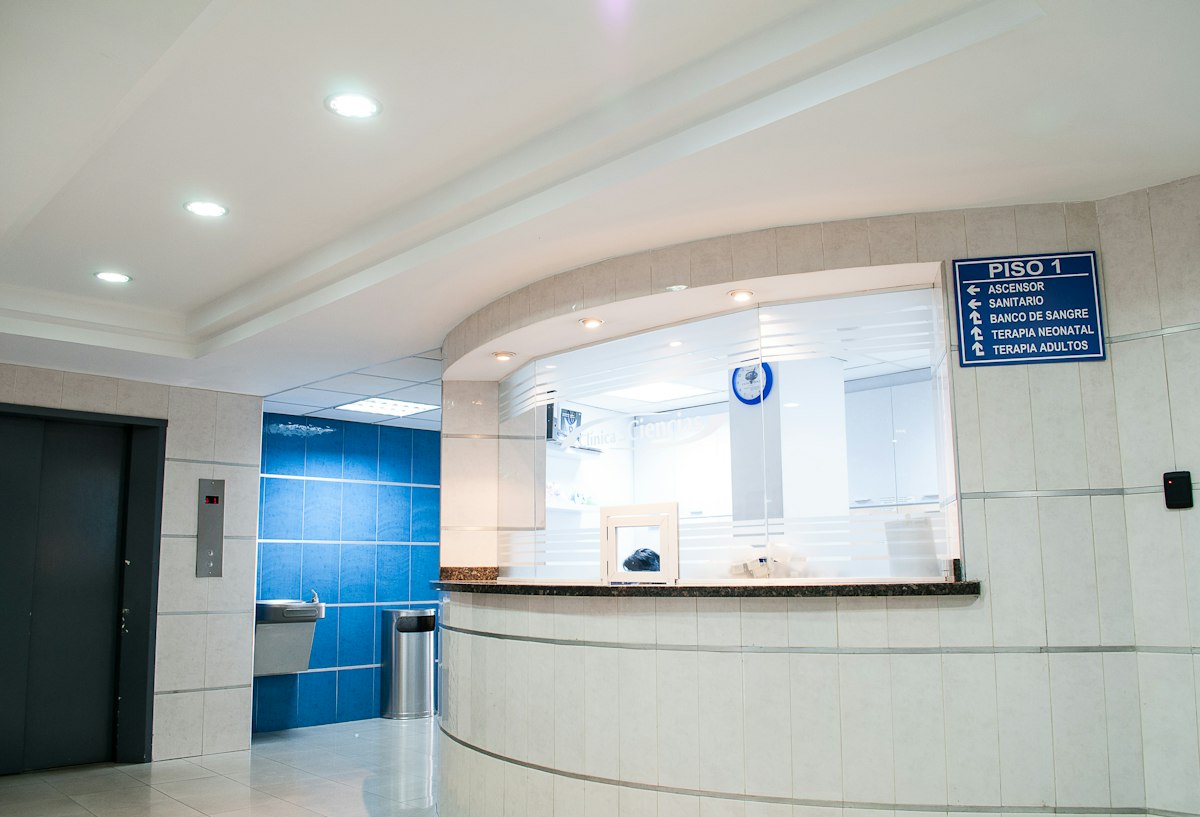
Standing at the hospital TPA desk at 2:00 AM taught me how health insurance policies really work | Photo: Unsplash
In August 2024, my close uncle suffered sudden gallstone complications and had to be rushed into emergency surgery. We were confident because he had been paying an annual premium of ₹24,000 for a ₹10 Lakh "Cashless" health policy for 4 straight years. But at 2:30 AM, while he was in recovery, the hospital's TPA desk handed me a rejection letter from the insurance company: "Cashless Pre-Authorization Denied due to Non-Disclosure of Pre-Existing Condition." The reason? Four years ago, during an OPD visit, a doctor had casually scribbled a mild thyroid pill on his paper, which my uncle forgot to mention on page 6 of his application. We had to swipe credit cards to pay ₹3,80,000 on the spot. That traumatic night forced me to dissect the fine print of Indian health insurance. Here is the unvarnished truth about how claims get blocked and how you can protect your hard-earned savings.
The Huge Difference Between 'Having a Policy' and 'Getting a Claim'
Insurance sales agents will smile, drink tea at your house, and tell you: "Don't worry sir, everything is covered cashless across 10,000 network hospitals."
What they will never tell you is that the sales department gets paid to sell you the policy, but the claims department gets evaluated on minimizing claim payouts. According to IRDAI data, over 30% to 40% of filed claims face partial deductions or outright rejections. Most of these rejections happen not because the patient was lying, but because of sneaky contractual clauses hidden in 40-page policy booklets.
📑 What Every Policyholder Must Check Today
- 1. The 4 Hidden Traps: Real Rejection Scenarios Matrix
- 2. Trap #1: The Room Rent Capping Scam (Proportionate Deductions)
- 3. Trap #2: Pre-Existing Disease (PED) Waiting Periods
- 4. Trap #3: The Unpaid 'Consumables' Bill (Syringes, PPE, Gloves)
- 5. The 5-Point Health Insurance Buying Checklist for 2026
- 6. Crucial Questions You Must Ask Your Broker (FAQ)
1. The 4 Hidden Traps: What Really Blocks Your Claim
Here is what the sales brochure promises versus what actually happens at the hospital billing desk:
| Policy Clause | What the Agent Told You | The Reality at Discharge | Financial Damage |
|---|---|---|---|
| 1% Room Rent Limit | "You can choose any room; hospital bills will be paid." | If your room exceeds 1% of Sum Insured, ALL doctor and OT charges are cut proportionately! | ₹1 Lakh to ₹2.5 Lakh out-of-pocket |
| PED Waiting Period | "Covered after 30 days." | BP, Sugar, Thyroid, or Joint pain are not paid for the first 24 to 36 months. | 100% Claim Rejection |
| Consumables Non-Medical Items | "100% Cashless treatment." | Gloves, masks, syringes, and sterilization kits (up to 15% of bill) are excluded by default. | ₹35,000 to ₹70,000 deducted |
| Clean Modern Policy (With Rider) | Zero room rent cap + Consumables rider. | Single Private AC room allowed, consumables paid, 98% bill cleared without friction. | Peace of mind & Zero debt |
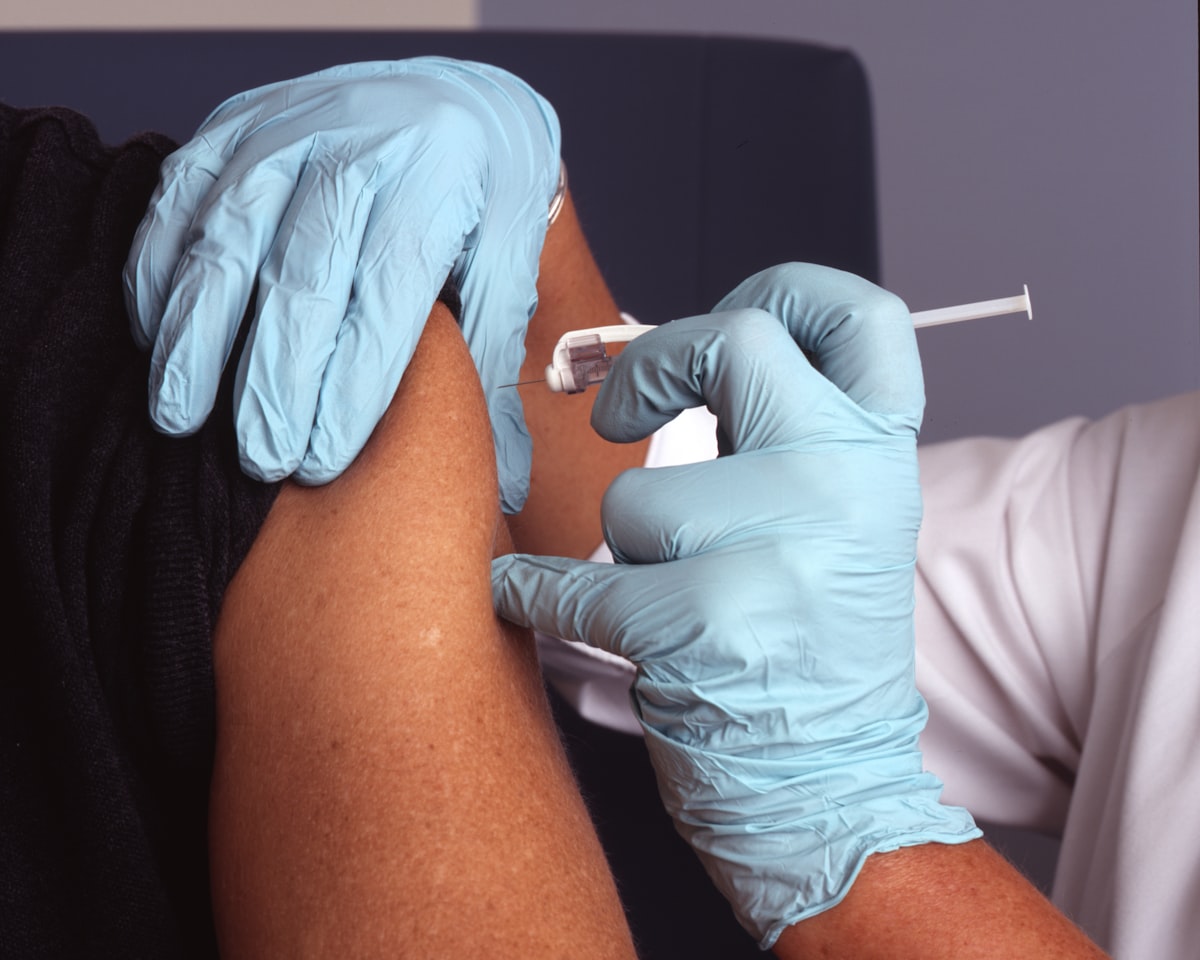
Always disclose minor medications during proposal entry to eliminate dispute risks later.
2. Trap #1: The Room Rent Capping Scam (Proportionate Deductions)
This is the single most common reason why families get huge financial shocks at hospital discharge.
Suppose you have a ₹5 Lakh policy with a 1% Room Rent Cap. This means your insurance allows only ₹5,000 per day for your hospital room.
When you get admitted, the hospital says: "Only our Deluxe room at ₹10,000 per day is available." You think: "No problem, I will pay the ₹5,000 difference for 3 days (₹15,000) from my own pocket."
Here is the trap: Because your room was 100% more expensive than the policy limit, the insurer's policy clause activates Proportionate Deduction. They will cut 50% from the surgeon's fee, 50% from the OT charges, 50% from the anesthesiologist fees, and 50% from nursing charges! On a ₹4 Lakh bill, you end up paying ₹2 Lakh yourself!
The Golden Fix: Never buy a policy with a room rent limit. Always demand a plan that clearly states "No Room Rent Cap" or "Single Private Room Allowed".
3. Trap #2: Pre-Existing Diseases (PED) Non-Disclosure
People often ask me: "Abhijit, if I tell them I take blood pressure tablets, will they increase my premium or reject my application?"
Yes, they might charge an extra ₹1,500 premium (called "loading"). Pay that ₹1,500 happily!
If you hide your hypertension or minor thyroid treatment today, 3 years later, if you undergo heart stent placement, the insurance forensic investigator will pull your historic medical records and pharmacy logs. The second they discover you were taking medicines prior to policy inception, they will cancel your entire policy for fraud and reject the entire ₹6 Lakh bill!
Rule: Over-disclose everything. Tell them about your minor sprains, spectacles power, and old dental root canals. Once declared and accepted, they can never contest your claim on those grounds!

Consumables riders cover syringes, sterilization kits, and protective gear automatically.
4. Trap #3: The Unpaid 'Consumables' Bill
During surgeries or ICU stays, hospitals charge thousands of rupees for non-medical items: surgical gloves, sanitizers, bedsheets, patient gowns, cotton swabs, and pulse oximeter probes.
By standard IRDAI guidelines, these are classified as "Non-Medical Expenses". On a ₹5,00,000 surgical bill, consumables can easily account for ₹45,000 to ₹70,000. If your policy does not have a "Claim Protector" or "Consumables Rider", you will have to pay this amount out of your savings.
This rider costs barely ₹800 to ₹1,200 extra per year. Always insist on adding it.
5. The 5-Point Health Insurance Buying Checklist
Before Signing Any Mediclaim Policy, Verify These 5 Rules:
- No Room Rent Limit: Make sure you are eligible for at least a Single Private AC Room with zero proportionate deduction clauses.
- Zero Co-Payment: Avoid policies that require a 10% or 20% mandatory co-pay (especially for parents under 65).
- Consumables Rider Included: Guarantees 100% coverage on gloves, masks, and surgical materials.
- Short PED Waiting Period: Choose plans offering 1 to 2-year waiting periods for pre-existing diseases instead of the older 3 to 4-year timelines.
- Cashless Everywhere System: Thanks to the latest IRDAI initiative, you can now avail cashless treatment even in non-network hospitals, provided you notify the insurer 48 hours before planned admission (or within 24 hours of emergency admission).
Frequently Asked Questions (FAQ)
Q1: Is corporate health insurance provided by my employer sufficient?
Never rely 100% on corporate insurance! Corporate cover is active only as long as you are employed with that specific company. If you switch jobs, face layoffs, or retire at age 55 with diabetes, buying a new individual policy becomes extremely expensive or outright impossible due to age and medical rejections. Always maintain an independent personal health cover of at least ₹10 to ₹15 Lakhs for your family.
Q2: What is a Super Top-Up policy and why is it so cheap?
A Super Top-Up policy is the smartest financial hack in healthcare. If you already have a ₹5 Lakh base cover, you can buy an additional ₹20 Lakh Super Top-Up with a ₹5 Lakh deductible for just ₹2,500 to ₹4,000 per year! If a catastrophic hospitalization bill hits ₹15 Lakhs, your base policy pays the first ₹5 Lakhs, and the Super Top-Up takes care of the remaining ₹10 Lakhs smoothly.
Q3: What should I do if my cashless pre-authorization is denied?
Do not panic. A denial of "Cashless Pre-Auth" is NOT a rejection of your claim! It only means the insurer needs more time to investigate your hospital indoor case papers. Pay the bill at discharge, collect all original discharge summaries, payment receipts, pharmacy bills, and doctor notes, and file for Reimbursement. 85% of genuine reimbursement claims get settled within 30 days.
Have questions about auditing your family's health insurance policy, understanding super top-up plans, or dealing with a stuck TPA claim? Drop a message to our desk via our Contact Portal or learn about our mission on the About Founder Profile.